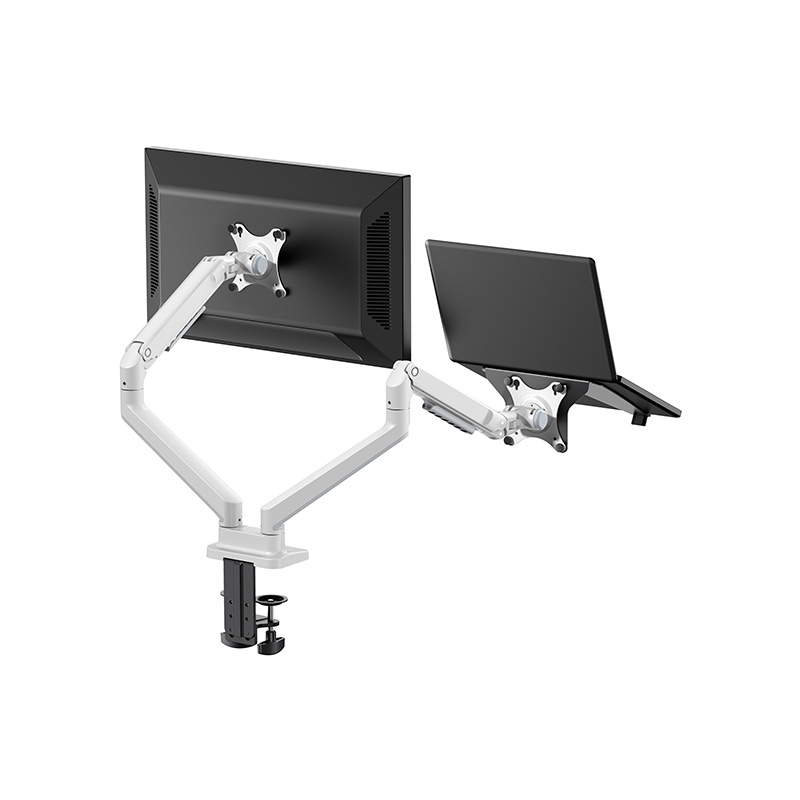
Hospitals and clinics in Europe have been quietly updating their setups over the past few years. More elderly patients, tighter schedules, and a shift toward digital records mean everyday tools need to work harder. That's where the Wall Mount Medical Monitor Arm and Wall Mounted Dual Monitor Arm come in. They're showing up in departments because they help staff move things around easily, keep workspaces tidy, and make conversations with patients feel more natural.
Monitors tended to sit fixed on walls or get wheeled around on bulky carts. In fast-paced spots like emergency rooms or outpatient clinics, that could create real bottlenecks.
The Wall Mount Medical Monitor Arm changes the game with its smooth rotation and height adjustments. Staff can swing it toward a colleague, angle it for the patient, or push it aside in seconds. Here's what it looks like in practice across departments:
This kind of flexibility means the same room can handle different situations without major rebuilding work.
Spending hours at a screen in the wrong position takes its toll. Nurses and doctors often feel it in their necks, shoulders, or lower back after long shifts.
These arms make a noticeable difference because you can tilt them to cut screen glare, adjust height whether standing or sitting, and reposition without much effort. They hold standard monitors securely, so there's no constant fiddling or straining.
Places that have installed them mention staff feeling more comfortable during the day. Over time, that can translate into fewer days off and steadier performance on the ward.
Electronic records, connected devices, and daily cleaning routines are part of life now. The better arms include built-in cable channels that hide wires neatly, reducing trip risks and making wipe-downs quick. Their surfaces cope well with hospital disinfectants and don't collect dust easily.
A few other details that help daily flow:
Teams end up spending less time managing equipment and more time focusing on care.
Patients often understand their situation better when they can look at the same screen as the doctor. These movable arms let you pull the display closer to the bed or chair during rounds.
You see it working in different ways:
This approach lines up well with European expectations around patient involvement and tends to make discussions feel more open and helpful.
Hospital budgets and environmental targets matter a lot these days. These arms work with various monitor sizes and weights, so departments aren't forced to replace everything when updating equipment. Many are made with recycled materials and finishes that meet current standards.
A few practical upsides:
In the end, the Wall Mount Medical Monitor Arm and Wall Mounted Dual Monitor Arm offer a straightforward way for European hospitals to modernize without big disruptions. They support daily routines, ease staff workload, and help patients feel more involved — all while fitting into real hospital budgets and workflows.
We will reply to you within 12 hours after receiving the inquiry on working days. Or, give us a call.

Copyright © Yongkang Zhida Industry and Trade Co., Ltd. All Rights Reserved

China Stand Arm Monitor Factory


 English
 Español
 Deutsch
 عربى
 Nederlands
 Français
 日本語

